The reading problem
A URL lets a reader locate a document, but the publisher role explains what kind of evidence the document can provide. Keep both in the same reading note.
A locally hosted image is still material from its named publisher. Retain a source address, the model label and a note on what the image can establish.
A practical example
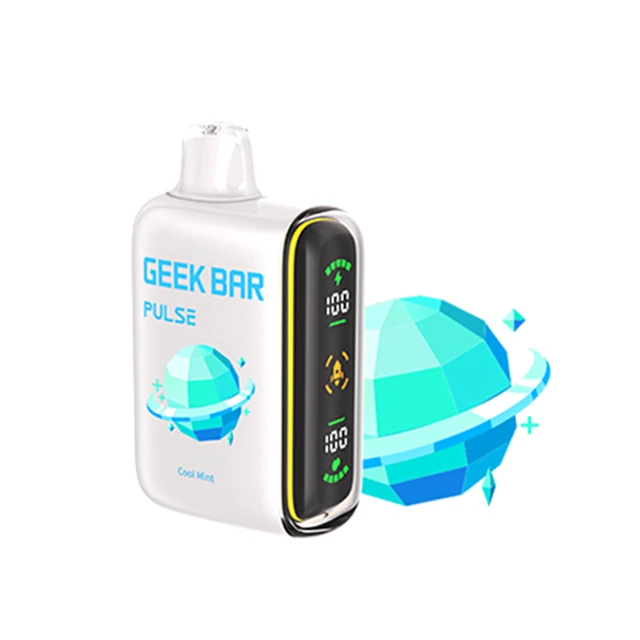
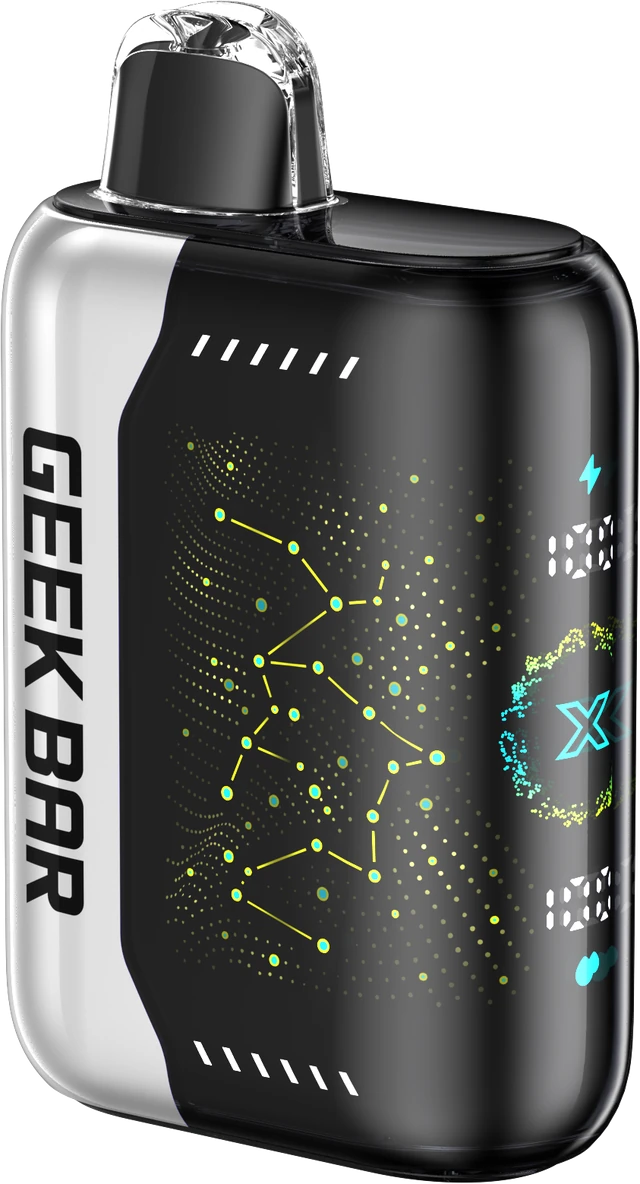
Geek Bar PULSE and PULSE X are separately named entries. Retaining the suffix keeps a quotation attached to the right subject.
Keep the image connected to its origin
Write down the subject, the publisher, the exact source address and what remains unknown. When another account repeats the statement, check whether it supplies new evidence or simply points back to the same original.
Can a reader trace the image back to the named product page?
A worked reading example: An image needs a traceable origin
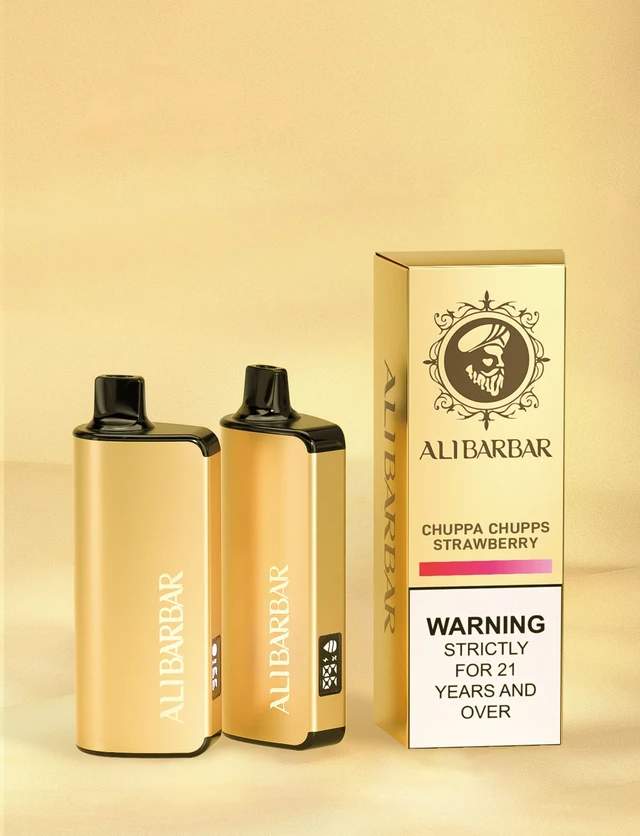
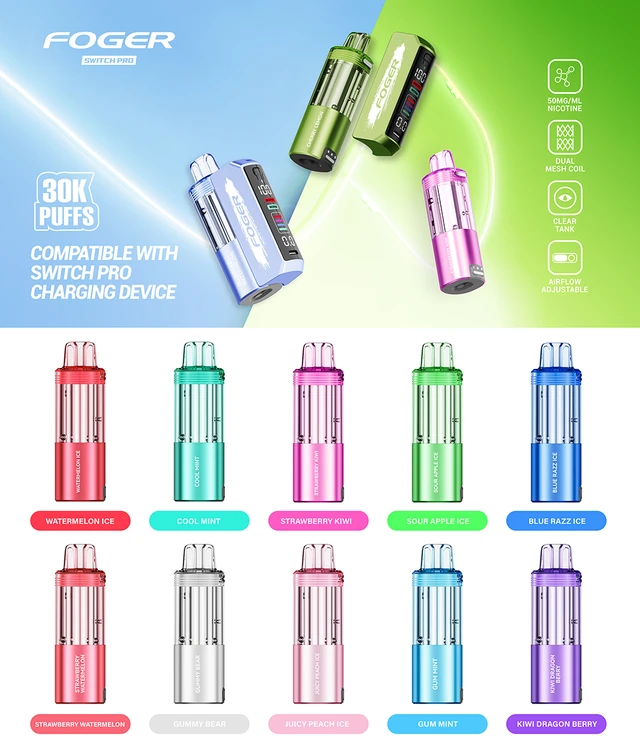
A file can be stored locally for reliable delivery while still belonging to its original publisher. The local filename does not make it independent photography. A useful image record retains the original image address, the product page where it was found, the exact model and the image kind. Component graphics with printed claims should be identified as graphics rather than described as a photograph of a tested sample. If a picture changes, the retained source record helps explain why the local reference differs from the current page. That traceability is especially useful when several gold Alibarbar devices share visual styling or when a Foger banner shows multiple components at once.
Check the address
Write the publisher role next to the source URL. If the source is a summary, identify the original it depends on. A second link should have a reason to be there beyond repeating the first.
Editorial takeaway: Keep credit and model identity visible where the image is used.
A boundary worth keeping
Attribution makes a visual record traceable; it does not turn it into independent photography.
The linked product publishers describe their own materials. This publication provides a reading structure; it does not claim to have independently tested devices or certified a market status.
Continue with an original record
Checked 17 October 2026. Read the original source and its scope before extending the conclusion.